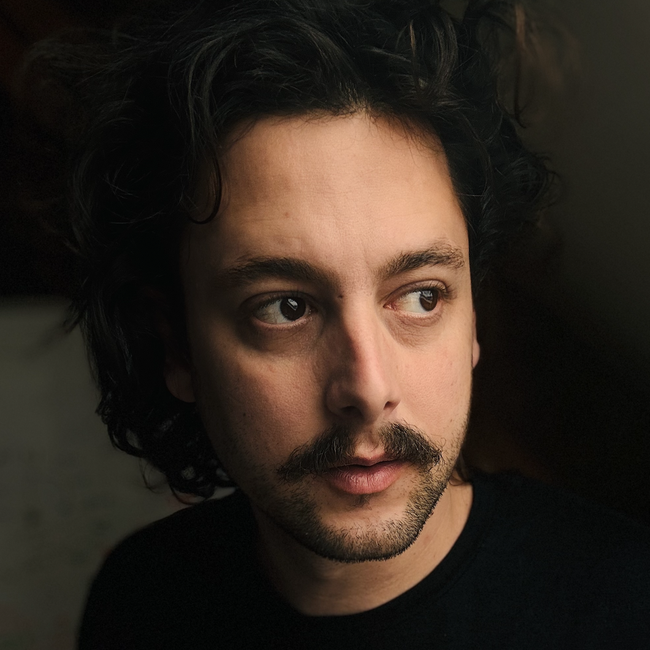
Fellows
Neno studied molecular biotechnology and neurophysiology. He then brought his interest in citizen science and open scholarly communication to various open hardware communities experimenting with emerging and low-cost medical diagnostic technologies. In this context he also collaborated with Synenergene, a four-year European Commission mobilization focused on Responsible Research and Innovation (RRI) in synthetic biology. His contribution explored novel forms of research and ethical deliberation to address global issues such as antibiotic resistance and biosafety.
Neno then became a product, operations, and strategy advisor who in the past decade has consulted for Fortune 500 companies, the public sector, and development organizations such as the UNDP on platform and ecosystem strategies. He co-founded Boundaryless.io, where he helped create the widely utilized Platform Design Toolkit. In collaboration with the Haier Model Research Institute, he also significantly contributed to the Entrepreneurial Ecosystem Enabling Organization, an organization design framework inspired by Haier’s Rendanheyi model.
During the first pandemic lockdown he established MOOS.GARDEN, a thriving arts and entrepreneurship residency in Berlin.
Neno’s contribution was instrumental in consolidating the informal research group Symbient.life with fellows from Harvard, NASA, Stanford, and Hugging Face. The Symbient research group focuses on AI alignment, relationality, and interpretability, exploring how artificial intelligence development can be steered towards wider fields of care for humanity and the biosphere we depend upon.
During the Evermay Future Fellows residency, Neno plans to develop the first rigorous prototype and paper for a Large Moral Model. This research architecture aims to train a language model based on pluralistic moral deliberation that can preserve meaningful dissent rather than simply collapsing moral disagreements into flat rules. His prototype will derive a nuanced moral compass for synthetic personas across a broad spectrum of demographics, geographies, and cultural backgrounds. These personas will then be invoked in social topologies that mirror successful social practices for moral and democratic deliberation. The design intent is that such a multi-agent system produces conversations that neither collapse into pointless spirals of mutual agreement nor in endless adversarial debate. Ideally, the system should surface the posture from the latent space that agents need to genuinely understand and integrate the alterity inherent in the group while debating morally challenging topics known to polarize political debate.
Ultimately, Neno will produce a methodological paper, a prototype architecture schema, annotated trace examples, any relevant code to be published in open source, and a public essay outlining how inclusive, pluralistic moral deliberation can become the foundational training environment for future AI systems.
The latest from Evermay, delivered to your inbox.